
Choosing a Supplier
Checklist for Evaluating Ceramic Sanitary Ware Durability
Evaluate ceramic durability by inspecting supplier test reports, checking glaze integrity, and reviewing structural support designs. This audit checklist helps buyers
Practical specifications, material checks, and supplier guidance for sanitary ware buyers.
Start with the stage of the sourcing process you are in.
Practical guides on types, materials, and installation for toilets and washbasins in commercial and residential projects.
Technical overviews of faucet types, shower systems, and water-saving options to help buyers select the right fittings.
Detailed information on bathtub designs, enclosure materials, and safety features for modern bathroom planning and procurement.
Comparative guides on ceramic, stainless steel, and chrome finishes, including durability and maintenance for long-term use.
Clear explanations of common quality standards and certifications to help buyers verify product compliance and reliability.
Practical insights into price factors, minimum order quantities, and budgeting strategies for purchasing sanitary ware in bulk.
Step-by-step advice on evaluating suppliers, verifying capabilities, and managing relationships for reliable sanitary ware procurement.
Evaluate ceramic durability by inspecting supplier test reports, checking glaze integrity, and reviewing structural support designs. This audit checklist helps buyers
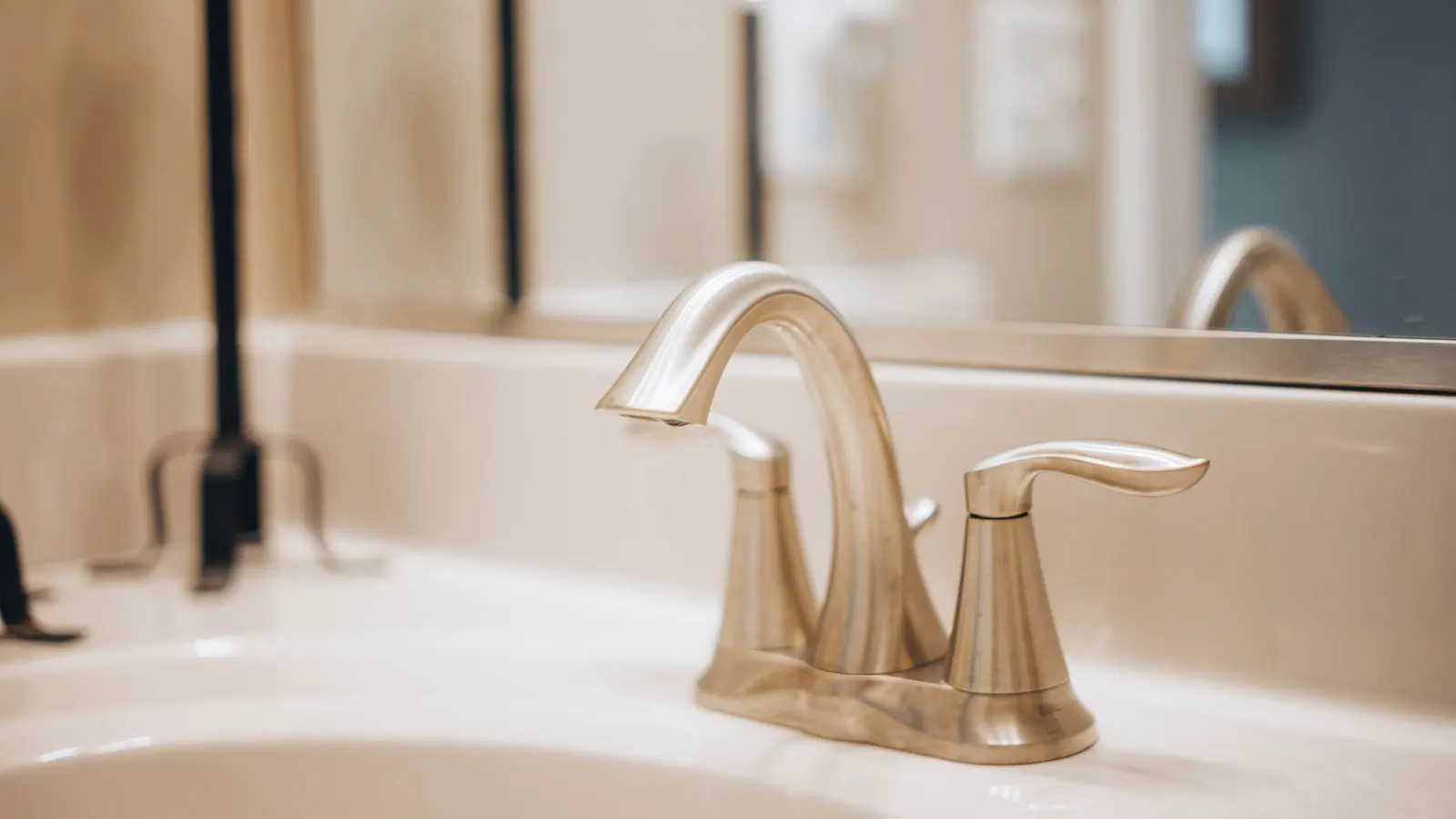
Persistent dripping usually comes from worn washers, corroded seals, or mineral buildup. This guide identifies common symptoms, explains likely causes, and provides
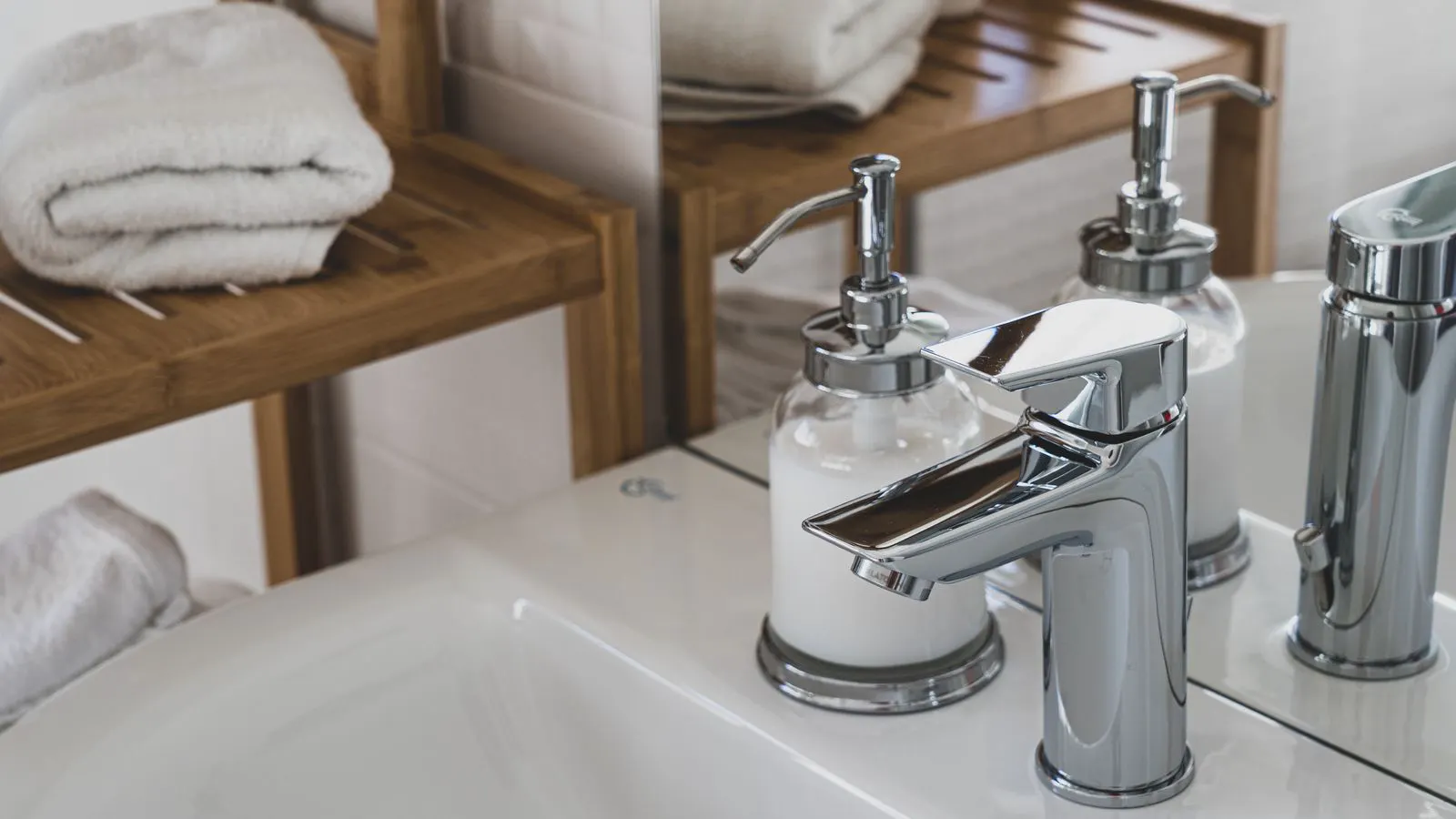
Chrome finish durability varies by plating method. Thick nickel base layers and hard chrome processes resist scratches and corrosion better than standard soft chrome.
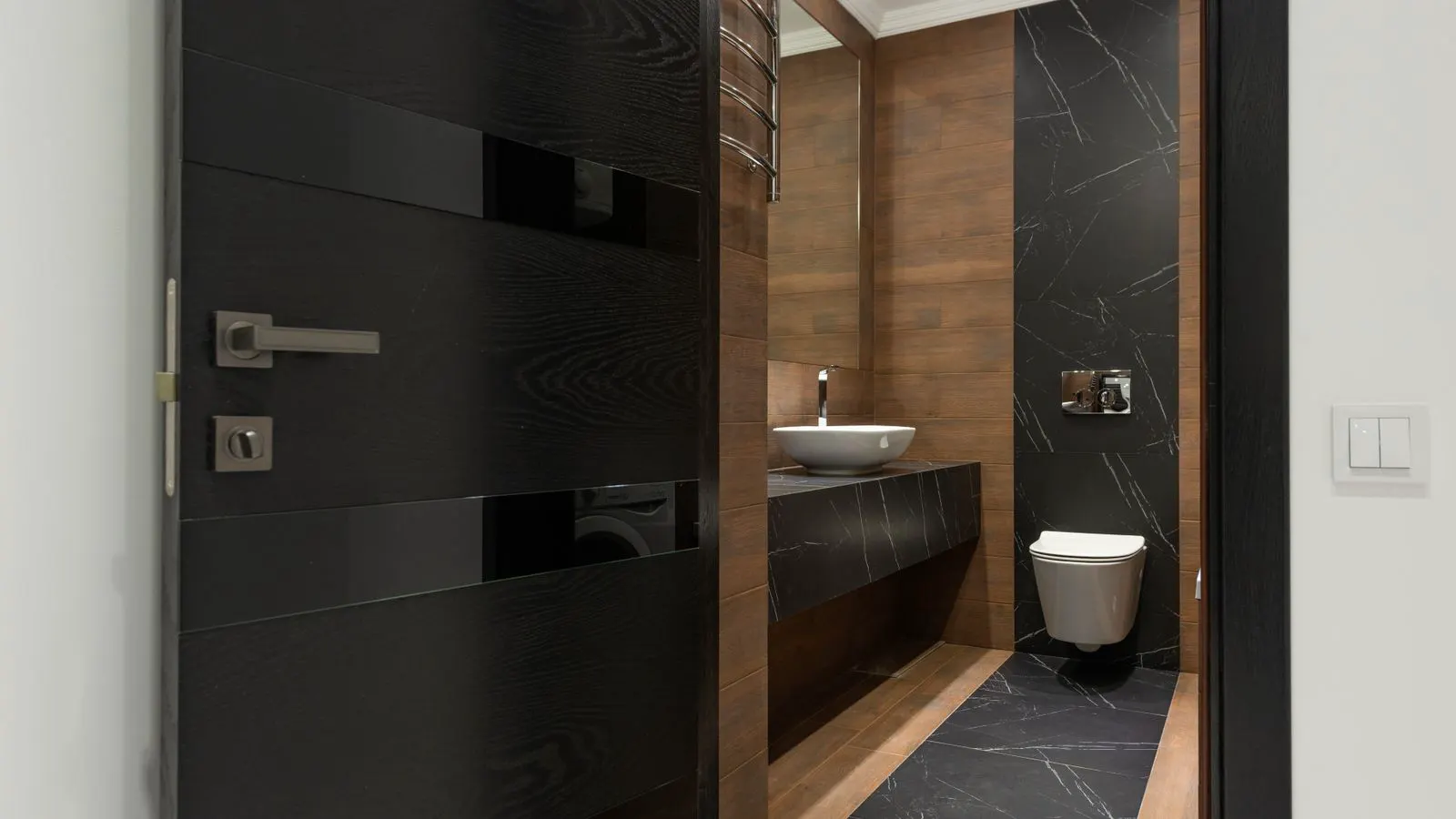
Commercial toilet maintenance involves diagnosing flush valve failures through systematic troubleshooting. This guide lists common symptoms, likely causes, and fixes to

Acrylic and solid surface bathtubs both offer modern aesthetics, but they differ in long-term upkeep. Acrylic is easier to repair but softer. Solid surface resists

CE marking confirms that bathroom fittings meet applicable European safety and performance requirements. It is not a quality award but a legal declaration of conformity.
Buyers in the sanitary ware trade face specific decisions daily: matching glaze thickness to local water chemistry, confirming valve bodies for high-flow installations, and verifying lead times against project schedules. This site breaks those decisions into clear technical comparisons so procurement teams and engineers can evaluate options without guesswork.
The content covers the full supply chain, from raw ceramic or brass to final installation. Each section addresses practical variables like firing temperature, finish durability, and connection standards. Readers get the data needed to write better specifications and ask sharper questions during supplier audits.
Porcelain is vitrified at higher temperatures, creating a denser, less porous body. Ceramic is fired at lower temperatures, making it more porous and potentially requiring a thicker glaze layer for water resistance.
Check the manufacturer's data sheet for the flow rate at a specified pressure. Verify that the value matches the local plumbing code limits. Test the unit with a calibrated flow meter if possible.
Inspect the sealant joints and the hinge mechanism. Check the material for UV stability if the unit is near a window. Verify that the enclosure meets local safety standards for glass thickness and edge finishing.
Standard items usually have shorter lead times than custom finishes or specific valve bodies. Confirm the production schedule and shipping transit time before signing a purchase order. Buffer for delays in customs or local distribution.
Common certifications include water efficiency ratings, material safety standards, and pressure testing results. The specific requirements depend on the country of installation and the type of fitting.
Compare the cost per unit against the expected lifespan and maintenance requirements. Brass and stainless steel have different corrosion profiles. Include installation labor and potential replacement costs in the total cost analysis.